


Photographer | @haleyelizabethstudios
You already know what you want: Something simple, not too poofy, maybe an A-line, maybe something sleek and modern. That is what almost every bride tells her stylist before she has tried on a single wedding dress silhouette. Then she steps into the fitting room, and somewhere around the fourth or fifth gown, everything she thought she knew quietly rearranges itself.
We see this pattern almost every week in our fitting rooms in the Reading Bridal District. One of the most useful things we know about is helping a bride find her shape.
A silhouette is not a decision you make on paper. It is a discovery you make on your body.
This is not another list of what each wedding dress silhouette looks like on a hanger. It is what actually happens once real brides put one on, straight from the stylists doing the clipping and pinning every weekend.
TL;DR
Most brides walk in picturing a simple silhouette and leave in something more dramatic than they expected. The best way to find your wedding dress silhouette is to try shapes you are unsure about, not just the ones you already picture, since fabric changes everything. A fit-and-flare gown cut from stretch crepe moves nothing like a formal satin one. Ask yourself how you want to feel before you ask what you want to look like.
Photographer | @greenepeasinapodphotoandfilms
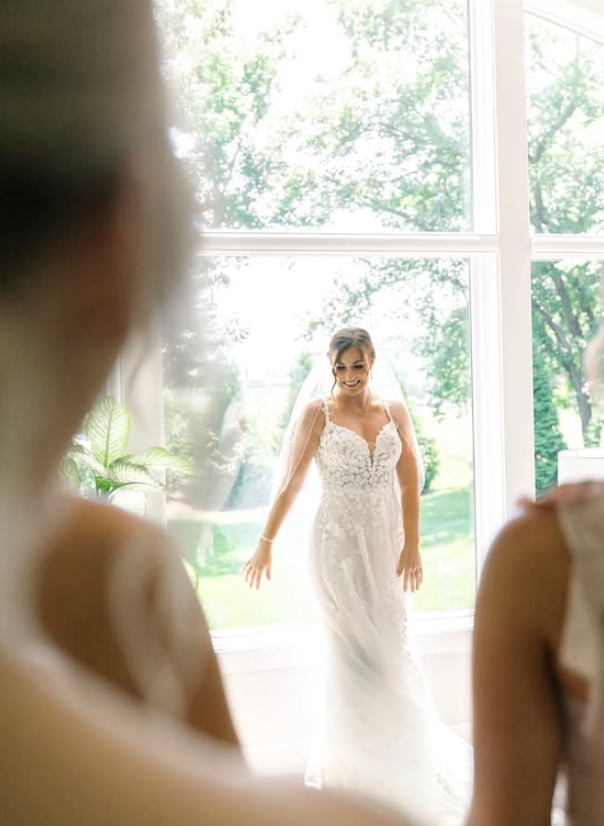
Most brides change their mind because comfort and drama mean something different once you are actually wearing the dress instead of scrolling past it. Plenty of brides describe a simple, streamlined shape on the phone before their appointment. Then they try a ballgown almost as an afterthought, feel the skirt move when they turn, catch themselves standing a little taller, and walk out having chosen the opposite of what they described a few days earlier.
This is not a stylist talking anyone into something bigger than they wanted. It is what happens when a shape stops being an idea and starts being a feeling. A photo cannot tell you a structured bodice will make your shoulders drop with relief the second it is zipped. Only trying it on can.
If you want the full rundown of what each wedding dress silhouette looks like on the hanger, from A-line to mermaid to sheath, our guide to gown silhouettes covers it in detail. This post picks up where that one leaves off: not what a silhouette looks like, but what it does once you are standing in it.
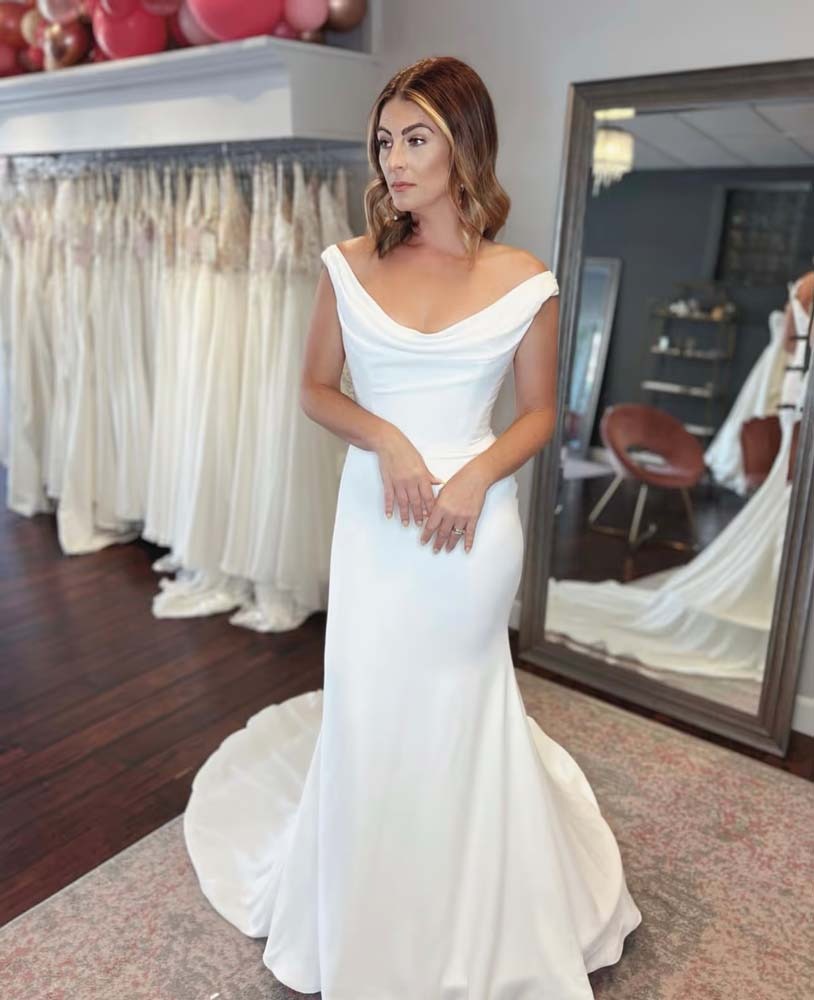
The most common fear we hear is that a fitted silhouette, whether a fit-and-flare, a trumpet, or a mermaid, will feel restrictive – like you will not be able to dance, hug, or breathe through a full wedding day. It is a fair worry, and it is also the one that turns around fastest once a bride tries the right version of the shape.
The fix is usually not the silhouette. It is the fabric. A fit-and-flare cut from crepe with real stretch moves with your body instead of fighting it. Brides trying one on for the first time are often shocked at how much they can sit, move, and twirl while still getting the flattering shape they were nervous about.
This is also where one of our favorite practical truths tends to come up: you do not need a bra under a bridal gown, since structure and support are built into the bodice. And you can skip the heels entirely, since our pedestals show you exactly how a gown will sit and move at the right length.
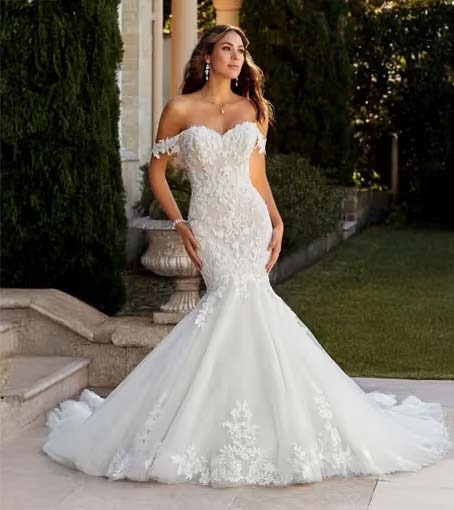
Mermaid is, by a wide margin, our least requested silhouette. Most brides do not just skip it. Many ask us not to bring it into the fitting room at all, assuming it is too dramatic or too restrictive before they have ever tried one on.
For the brides willing to give it a chance, a mermaid can be one of the most stunning combinations in the shop. It’s all the sleekness of a fitted gown paired with the drama of a ballgown at the very bottom of the skirt. It is not for every bride, and that is completely fine. But it is proof the silhouette you are most sure you will hate is sometimes the one worth trying, just to rule it out with confidence instead of assumption.
One of our brides put it simply after her stylist pulled something she never would have chosen herself:
"She picked up the perfect dress and I knew it was the one."
That is the whole case for the wild card dress. You do not have to love every silhouette you try. You just have to be open enough to find out, and you can read more real experiences like hers on our testimonials page.
Photographer | @katiejphotography
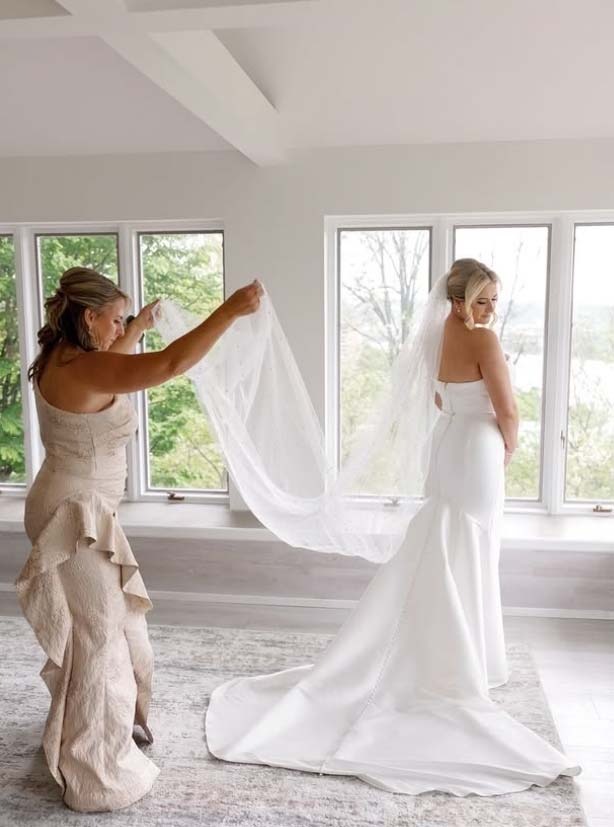
No, and this is a detail that only shows up after hundreds of fittings, not on a size chart. One designer’s gowns are known for intricate boning that makes the silhouette so flattering in the first place, but that same structure tends to run tighter through the ribcage than brides expect. We always build in extra room when measuring one of these gowns for exactly this reason.
It is a small detail, but it matters. The way a specific designer constructs a silhouette, where the boning sits, how much stretch is in the lining, changes how it actually fits your body. That is why trying dresses on with a stylist who knows these designer quirks tells you more than any photo ever could.
Photographer | @freeyoursoulphotography
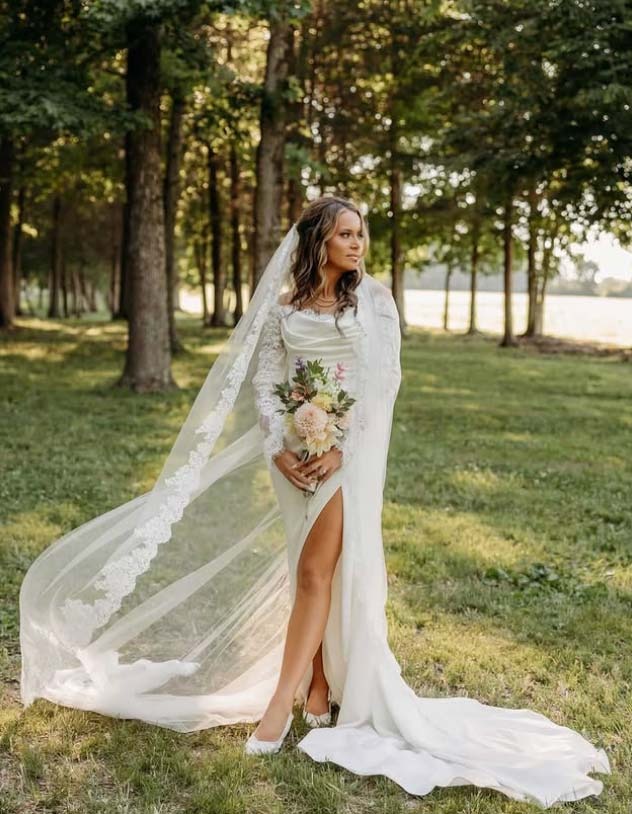
Yes, and Ohio weather plays a bigger role than most brides expect. Warmer months and outdoor venues tend to push brides toward fitted or A-line silhouettes, or a lightweight ballgown if they still want volume without the heat. Comfort and mobility come first for these brides, who want to move easily and actually enjoy their day instead of managing a heavy skirt in July.
Indoor and winter weddings do not follow one single pattern, but we do see a lean toward clean, classic lines rather than heavier lace and appliqué during the colder months. Candlelit receptions tend to favor a silhouette that reads elegant and uncomplicated rather than one competing with a lot of texture. Our fabric guide is worth a read before your appointment if you want a deeper look at how fabric weight plays into these decisions.
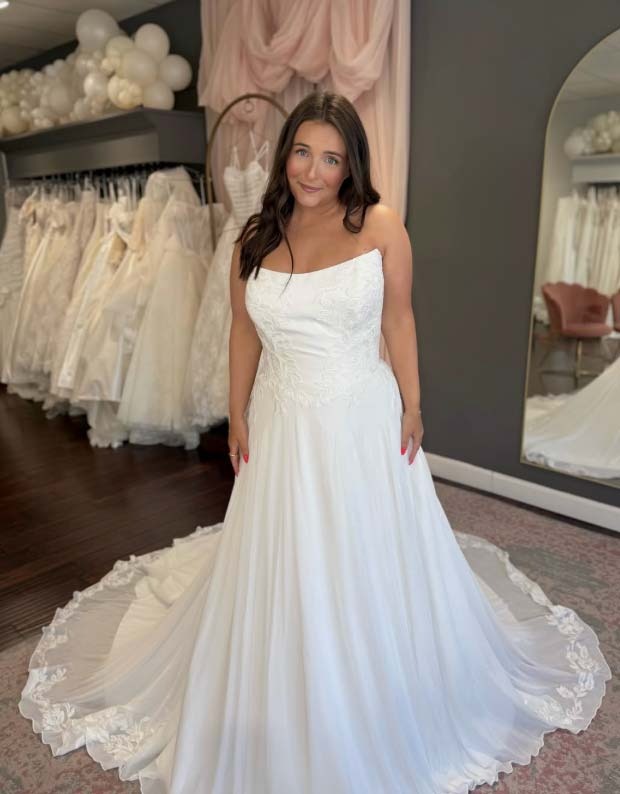
When a bride is unsure where to begin, we do not start with a silhouette. We start with a question: how do you want your wedding day to feel? Her answer, along with details like her venue and colors, gives us real direction before a single gown comes off the rack.
From there, we often start with a mix of clean, simple options and a few with more detail and drama. However she reacts and that tells us exactly where to go next. It is less about guessing right the first time and more about listening closely and adjusting fast.
One Blush bride described exactly this kind of appointment:
"The very first one I tried on was the one I picked. She listened to exactly what I wanted, did not rush or pressure me."
If you are ready to start that conversation yourself, you can book an appointment and we will begin with the same question we ask every bride.
Photographer | @inthelightphotos
Finding your wedding dress silhouette was never really about memorizing five shapes off a list. It is about trying more than you think you will like, trusting a fitting room over a Pinterest board, and letting a stylist who knows these gowns guide you somewhere you might not have found alone.
If you want to see the full range of shapes before you come in, browse wedding dresses in Cincinnati and save a few that catch your eye. When you are ready for your own fitting room moment, book an appointment and we will start with the same question we ask every bride: how do you want to feel?
The most common wedding dress silhouettes are A-line, fitted through the bodice with a soft flare to the floor, ballgown, a fitted bodice with a full, dramatic skirt, fit-and-flare/trumpet, snug through the hip before flaring lower down, mermaid, which flares dramatically at the knee, and sheath, a slim, straight line from top to hem. Our guide to gown silhouettes covers each shape and who tends to love it in detail.
Try more than the shape you already picture. Most first appointments include six to ten gowns across a mix of silhouettes, enough range to notice real reactions instead of guessing from a photo. Pay attention to how your shoulders feel and whether you catch yourself smiling before you even reach the mirror.
This is one of the most common worries we hear, and it usually comes down to fabric, not the silhouette itself. A fit-and-flare or mermaid gown cut from quality material with real stretch moves with your body instead of restricting it, so you can still sit, hug, and dance comfortably. Trying one on in the right fabric is the only way to know if the fear was really about the shape.
Yes. Construction details like boning, lining, and seam placement vary by designer and change how a silhouette fits your body. Gowns that use intricate boning tend to run tighter through the ribcage, so we always build in extra room when measuring for those. A stylist who knows these designer specific quirks can keep you from ruling out a silhouette based on the wrong size in the wrong dress.
Fitted and A-line silhouettes tend to work best for outdoor and warm weather venues, along with lightweight ballgowns for brides who still want volume without the heat. Comfort and mobility matter most, since you will be standing, walking, and dancing outdoors for hours in a Cincinnati summer.
Indoor and winter weddings do not follow one strict rule, but we often see brides lean toward cleaner, more classic lines rather than heavier lace and appliqué, especially in candlelit venues, while outdoor and warm weather weddings lean fitted or lightweight for comfort.
Most brides try on six to ten gowns during their first appointment, enough to notice real patterns without feeling overwhelmed. Your stylist will usually narrow that down to two or three favorites by the end, based on how you react to fit and movement, not just how the dress looks in photos.


